The Tolas of Bandwar: Mapping the Village's Social Fabric
From Musahri to Malha, how Bandwar's neighborhoods define its identity
Narrated in English (Browser TTS)
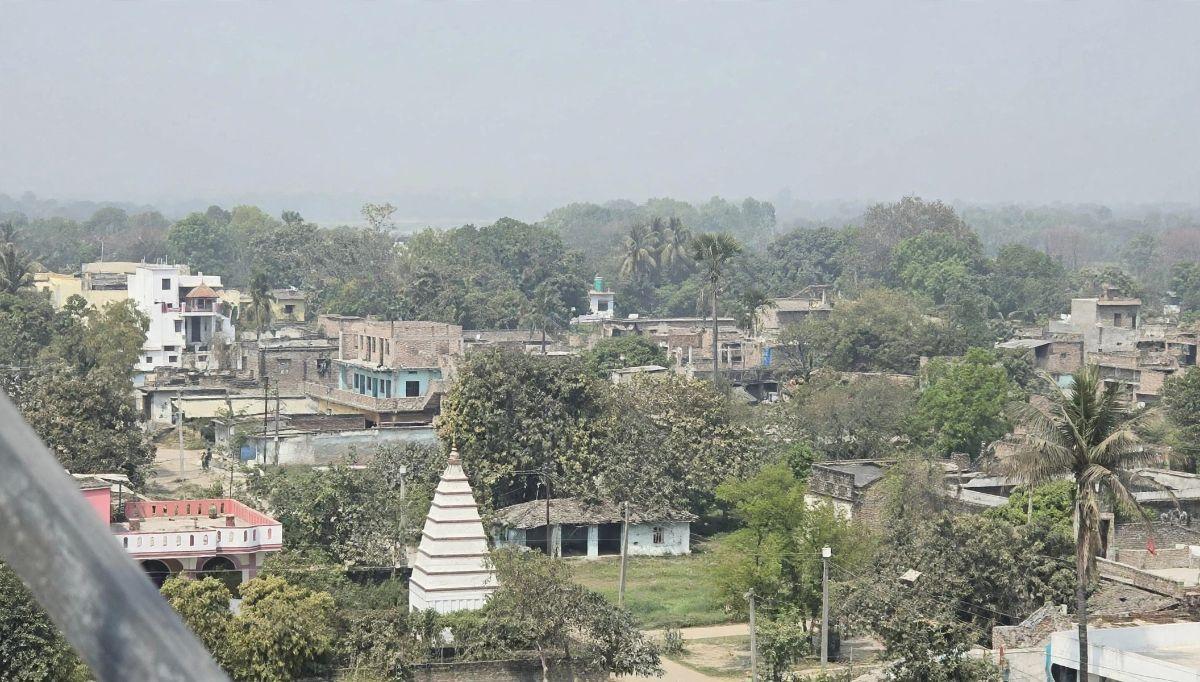
Bandwar is not a single, uniform settlement; it is a collective of distinct 'Tolas' (neighborhoods). From the historic Musahri Tola and the bustling Kunjartoli to the riverine communities of Malha and Khatha Tol, each area has its own character. Central junctions like Chaubatta and Mohra Chowk serve as the commercial arteries, binding the village's social fabric together.
The Anatomy of a Tola
The Heart of Commerce: Chaubatta and Mohra Chowk
Residential and Occupational Tolas
The Riverine Communities: Malha and Khatha Tol
Frequently Asked Questions
What is a Tola in Bandwar?
Which areas are the commercial hubs of Bandwar?
What is the significance of Malha and Khatha Tol?
Read Next
Bandwar Demographics: The 17 Wards and a Growing Population
Bandwar is divided into 17 administrative wards, reflecting a rapidly growing population. While the 2011 Census recorded 12,943 residents, local estimates for 2026 place the population near 22,000. This rapid growth has transformed the village's social fabric, creating a high demand for infrastructure, schools, and healthcare across its numerous Tolas.
GPS Bandwar Musahri (Government Primary School)
GPS Bandwar Musahri is a government primary school in the Musahri tola of Bandwar village, Begusarai, Bihar. Established in 1995 with UDISE code 10201008403, it serves Classes 1 through 5 with an enrolment of 196 students — the majority from Scheduled Caste and Below Poverty Line households.
NPS Kunjartol WD-9 (New Primary School)
NPS Kunjartol WD-9 (New Primary School, Kunjartol Ward 9) is a government primary school in the Kunjartol tola of Bandwar village, Begusarai, Bihar. Established in 2007 with UDISE code 10201013301, it serves Classes 1 through 5 with an enrolment of 327 students.
Burhi Gandak River: Bandwar's Lifeline and Adversary
The Burhi Gandak is a flood-prone river that flows along the western edge of Bandwar, in Begusarai district, Bihar. Situated in the fertile Indo-Gangetic plain, it is the largest tributary of the Ganga in the region. Its annual floods shaped the village's geography, its agriculture, and — most importantly — its name. The embankment built along the river, the [[bandh-embankment-bandwar|bandh]], is widely believed to be the source of the village's name: Bandwar.