Bandwar Village Archive

2025 Bandwar Diarrhea Outbreak: Water Crisis and Public Health Failure

How contaminated water led to tragedy in Bihar's Mahadalit basti
Updated on 2026-09-29
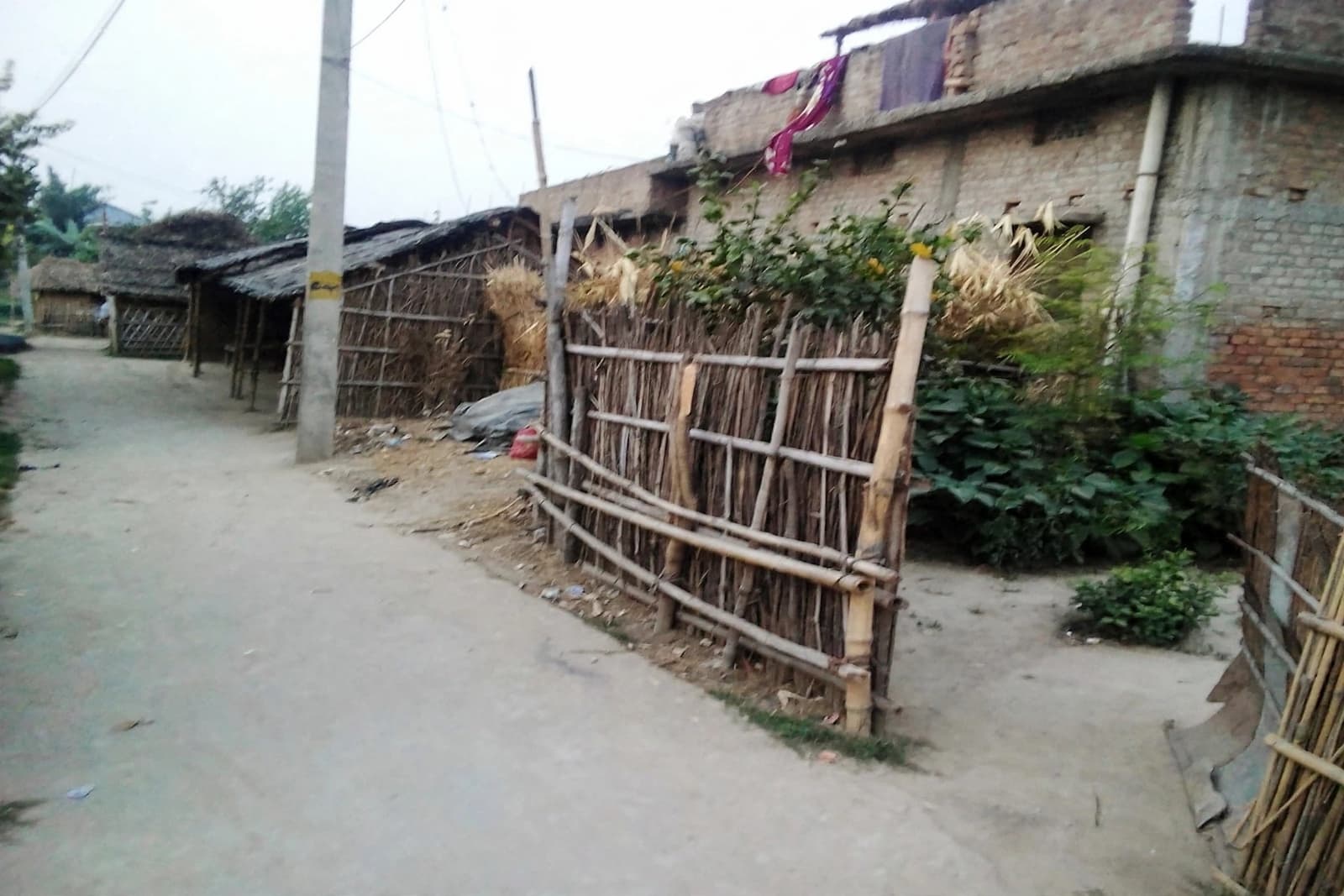
A narrow lane in Musahri Tola, Bandwar, where the September 2025 diarrhea outbreak was concentrated, Begusarai
View Full Size
Listen to this article

Narrated in English (Browser TTS)

In September 2025, a severe diarrhea outbreak in Bandwar village, Begusarai, claimed over 10 lives in 15 days. The crisis was concentrated in Wards 1 and 2 (Mahadalit basti) and exposed the village's lack of clean piped water and sanitation. A health camp at [[gps-bandwar-musahri-school|Musahri Tola]] treated 26 patients and surveyed 293 households, accelerating the demand for the [[jal-jeevan-mission-water-tower-bandwar|Jal Jeevan Mission]] pipeline network.

The Outbreak: A Preventable Tragedy

In September 2025, Bandwar experienced a terrifying outbreak of diarrheal illness. Over the course of fifteen days, more than ten people — mostly children and the elderly — died. The deaths were concentrated in Wards 1 and 2 (the Mahadalit basti), the poorest and least-served part of the village. The outbreak was caused by contaminated water — the direct result of a village that has, since at least 2011, had no piped drinking water supply, no functional sanitation, and no community toilets. The 2011 Census recorded zero households with treated tap water and zero with sanitation access. The outbreak was, in this sense, not a sudden event but the predictable consequence of decades of neglect.

The Delayed Response and Local Grievances

According to reporting by News18 and Prabhat Khabar, the initial response from the health department was painfully slow. Villagers alleged that the local administration had delegated responsibility to a private doctor who was charging money for government-supplied medicines. Panic spread as local clinics ran out of basic IV fluids. Families paid out of their own pockets to have water tanks cleaned. The delayed response was a symptom of the village's lack of a dedicated health facility — with no primary health centre of its own, Bandwar depends on the Primary Health Centre at Sadar, several kilometres away. During the crisis, the absence of an ambulance meant villagers had to arrange private jeeps or tractors to rush patients to Begusarai Sadar Hospital.

The Health Camp: Temporary Relief

On 29 September 2025, a health camp was finally held at Musahri Tola under the Primary Health Centre, Sadar. In the course of the camp, 293 households were surveyed, 26 patients were treated and recovered, and 3 remained under continued care. ORS, zinc, and metronidazole were distributed to 102 families in the affected wards, and bleaching powder was applied across three wards to disinfect water sources. The camp was a short-term intervention, but it did not address the underlying cause — the lack of clean piped water in the village.

The Root Cause: Water Contamination

The outbreak was caused by contaminated water. The village's shallow wells and hand-pumps, which had served Bandwar for generations, were the source of the infection. The Jal Jeevan Mission water tower had not yet reached all parts of the village at the time of the outbreak, and the affected wards were among the last to be connected. The outbreak became a powerful argument for accelerating the pipeline network's expansion, and it put the issue of clean water at the centre of the village's political and social agenda.

Aftermath and Community Resolve

Following the outbreak, the district administration maintained that the situation had been brought under control. But the crisis laid bare a hard truth: a village of more than twelve thousand people had no dedicated health facility of its own, no ambulance service, and no clean piped water. The outbreak prompted a wider conversation about Bandwar's health infrastructure. The local youth and community leaders began actively demanding a permanent sub-centre or primary health centre. The health camp at Musahri Tola was a temporary measure, but the demand for a permanent health facility in the village has grown louder since September 2025.

Frequently Asked Questions

What caused the September 2025 diarrhea outbreak in Bandwar?
The outbreak was caused by contaminated water. The village's wells and hand-pumps, which had served Bandwar for generations, were the source of the infection. The lack of clean piped water and sanitation were the underlying causes.
How many people died in the Bandwar diarrhea outbreak?
More than ten people died over the course of fifteen days. The deaths were concentrated in Wards 1 and 2 — the Mahadalit basti — the poorest and least-served part of the village.
What was done to control the outbreak?
On 29 September 2025, a health camp was held at Musahri Tola under the Primary Health Centre, Sadar. 293 households were surveyed, 26 patients were treated, and ORS, zinc, and metronidazole were distributed to 102 families.
Was the outbreak related to the Jal Jeevan Mission?
Yes — the outbreak was caused by contaminated water from wells and hand-pumps. The Jal Jeevan Mission water tower had not yet reached all parts of the village, and the affected wards were among the last to be connected. The outbreak accelerated the demand for piped water.
Is Bandwar's water safe now?
The Jal Jeevan Mission pipeline network has continued to expand since the outbreak, and more households are being connected. However, the village still does not have full piped water coverage, and the safety of the water supply remains a concern in the unconnected parts of the village.

Read Next

Jal Jeevan Mission Water Tower: Piped Water in Bandwar

A water tower built near Bandwar under the central government's Jal Jeevan Mission. It stands near the [[bandh-embankment-bandwar|bandh]] along the [[burhi-gandak-river-bandwar|Burhi Gandak]], drawing on the local groundwater. The tower is part of a massive effort to bring piped drinking water to households that previously relied entirely on hand-pumps and wells.

Burhi Gandak River: Bandwar's Lifeline and Adversary

The Burhi Gandak is a flood-prone river that flows along the western edge of Bandwar, in Begusarai district, Bihar. Situated in the fertile Indo-Gangetic plain, it is the largest tributary of the Ganga in the region. Its annual floods shaped the village's geography, its agriculture, and — most importantly — its name. The embankment built along the river, the [[bandh-embankment-bandwar|bandh]], is widely believed to be the source of the village's name: Bandwar.

The Bandh: Bandwar's Historic Flood Protection Embankment

The bandh is the embankment built along the Burhi Gandak to protect Bandwar from floods. It is widely believed that the village takes its name from this very structure — 'Bandh' becoming 'Bandwar'. It runs parallel to the [[burhi-gandak-river-bandwar|Burhi Gandak]] along the western edge of the village, and is the single most important piece of infrastructure in Bandwar.

Health Infrastructure in Bandwar: Sub-Centre vs. PHC Deficit

Bandwar village has only one understaffed health sub-centre and no primary health centre (PHC). For 12,000+ residents, the nearest PHC is at Sadar and the district hospital is 18 km away in Begusarai. With no ambulance service, villagers rely on informal RMPs, ASHA workers, and Anganwadi centres. The September 2025 diarrhea outbreak exposed the deadly consequences of this infrastructure deficit.

Roads & Connectivity in Bandwar: SH 55 and Village Lanes

Bandwar is connected to the wider region by SH 55, by a network of village roads, and by a series of new road projects sanctioned in 2025. The village's isolation has reduced significantly in recent years, and the road network is one of the most important factors in the village's economic and social life.

Something is incorrect?

If you have additional details, let us know.

Suggest an Edit
Last updated: 2026-09-29Source: Bandwar Village Archive